Adho Mukha Vrksasana Yoga Pose (Handstand Pose)
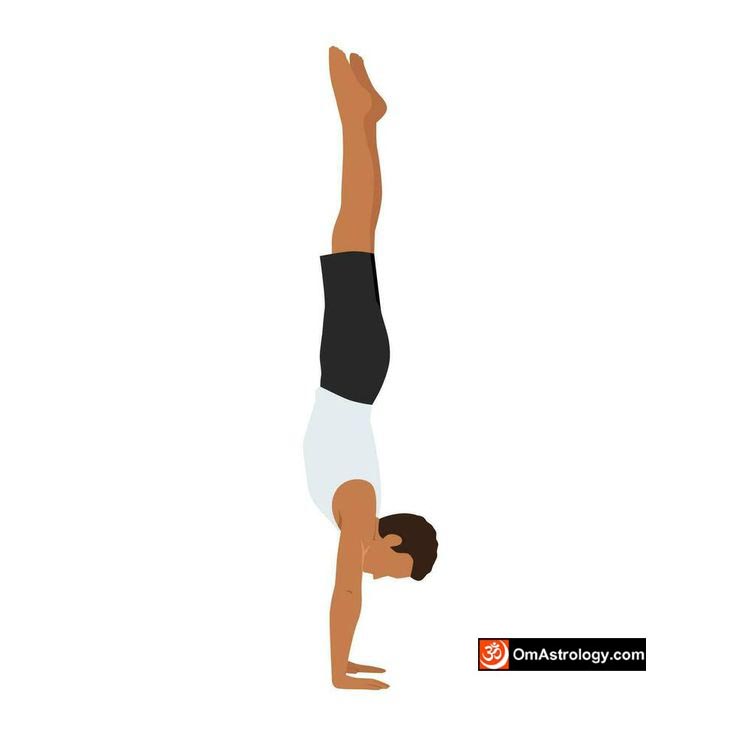
Information on Yoga Asana Adho Mukha Vrksasana (Handstand Yoga Pose) Meaning & Uses
Adho Mukha Vrksasana, commonly known as the Handstand Pose, is one of the most empowering and visually striking asanas in yoga. Rooted in the discipline of Yoga, this advanced inversion challenges both physical strength and mental focus, requiring a harmonious blend of balance, control, and confidence. The term itself is derived from Sanskrit, where "Adho Mukha" means "downward facing" and "Vrksasana" refers to a tree-like posture, symbolizing stability and grounded energy-even when upside down.
Practicing Adho Mukha Vrksasana not only strengthens the arms, shoulders, and core but also enhances concentration and body awareness. As an inversion, it promotes improved blood circulation and offers a fresh perspective-both physically and mentally. Though it may seem intimidating at first, with consistent practice and proper guidance, this pose becomes a powerful tool for building resilience, overcoming fear, and deepening one’s yoga journey.
Adho Mukha Vrksasana (Handstand Pose) Steps / Instructions / Procedure
Follow the following steps to perform this pose -
- Begin in a standing position or come into Downward-Facing Dog Pose (Adho Mukha Svanasana) with your hands firmly placed on the mat.
- Spread your fingers wide and press evenly through your palms to create a strong foundation.
- Walk your feet closer toward your hands to lift your hips higher over your shoulders.
- Bend one knee slightly while keeping the other leg straight and active.
- Gently kick up with the bent leg, using controlled momentum to lift both legs off the ground.
- Engage your core muscles to stabilize your body as you rise into the handstand.
- Bring both legs together and extend them straight upward toward the ceiling.
- Keep your arms straight, shoulders strong, and gaze slightly between your hands.
- Maintain balance by adjusting pressure through your fingers and palms.
- Hold the pose for a few breaths while keeping your body aligned and steady.
- To come down, slowly lower one leg at a time back to the ground with control.
- Rest in Child’s Pose (Balasana) to relax your body after the pose.
Adho Mukha Vrksasana (Handstand Pose) Medical Health Benefits
Adho Mukha Vrksasana is an advanced yoga inversion that builds strength, balance, and mental focus while turning the body upside down.
- Strengthens Upper Body: Builds powerful arms, shoulders, wrists, and core muscles.
- Improves Balance & Stability: Enhances coordination and body awareness.
- Boosts Blood Circulation: Reverses blood flow, improving oxygen supply to the brain.
- Enhances Mental Focus: Requires concentration, helping sharpen the mind.
- Reduces Stress & Anxiety: Inversions can calm the nervous system and uplift mood.
- Improves Core Strength: Engages abdominal muscles for better posture and stability.
- Supports Bone Health: Weight-bearing on arms helps increase bone density.
- Stimulates Lymphatic System: Aids in detoxification and immune function.
- Boosts Confidence: Mastering this pose builds self-confidence and courage.
- Improves Digestion: The inverted position may help stimulate digestive organs.
Adho Mukha Vrksasana (Handstand Pose) Therapeutic Applications
Adho Mukha Vrksasana is a powerful inversion in yoga that offers a wide range of therapeutic benefits when practiced with proper alignment and guidance. This pose significantly improves blood circulation, especially toward the brain, which can enhance mental clarity, focus, and cognitive function. It helps relieve mild depression and anxiety by stimulating the nervous system and encouraging a sense of balance and control. Regular practice strengthens the shoulders, arms, and core muscles, making it particularly beneficial for individuals recovering from postural imbalances or weakness in the upper body. Additionally, by reversing the effects of gravity, it aids in improving lymphatic drainage and boosting the immune system.
From a physiological perspective, this inversion supports the proper functioning of the endocrine system, particularly the pituitary and pineal glands, which are responsible for hormonal regulation. It can also help in reducing symptoms of conditions like varicose veins and mild edema by encouraging venous return from the lower extremities. Practicing this pose mindfully promotes better body awareness and coordination, making it useful in therapeutic yoga programs aimed at improving neuromuscular control. However, it should be approached cautiously or avoided in cases of high blood pressure, glaucoma, or neck and wrist injuries, and ideally performed under expert supervision for maximum therapeutic benefit.
Adho Mukha Vrksasana (Handstand Pose) Precautions
Adho Mukha Vrksasana is an advanced inversion that demands considerable strength, balance and body awareness, so it should be approached with caution, especially by beginners. Individuals with wrist, shoulder, or back injuries should avoid this pose or practice it only under expert supervision, as the entire body weight is supported by the arms and joints. Those suffering from high blood pressure, heart conditions, or eye disorders such as glaucoma should also refrain from practicing handstands, since the inverted position increases pressure in the head and eyes. It is essential to warm up the body properly, particularly the wrists, shoulders, and core, to reduce the risk of strain or injury.
Proper alignment and controlled movement are crucial while performing Adho Mukha Vrksasana, as incorrect technique can lead to falls or muscle imbalances. Practicing near a wall or with a qualified yoga instructor is highly recommended until sufficient strength and stability are developed. Pregnant individuals and those experiencing dizziness or vertigo should avoid this pose entirely. Additionally, one should never force the body into a handstand; gradual progression, patience, and consistent practice are key to ensuring safety and gaining the full benefits of this challenging asana.
Adho Mukha Vrksasana (Handstand Pose) Beginners Tip
Adho Mukha Vrksasana can feel intimidating for beginners, but approaching it with patience and proper alignment makes a significant difference; start by building shoulder and core strength through preparatory poses like Downward Dog and Plank, and practice near a wall for support so you can gradually get used to the inversion without fear of falling. Focus on pressing firmly through your palms, spreading your fingers wide to distribute weight evenly, and engaging your core to prevent your lower back from arching excessively. Keep your gaze slightly between your hands rather than looking forward, as this helps maintain balance and stability. Beginners should also work on controlled kicks rather than jumping forcefully into the pose, allowing the body to find alignment step by step, and remember that consistency matters more than perfection, so regular practice with mindful breathing will steadily improve confidence and strength in achieving a stable handstand.
Adho Mukha Vrksasana (Handstand Pose) Variations
Its variations allow practitioners to gradually progress while exploring different levels of control and flexibility; beginners often start with a wall-supported handstand where the feet rest against a wall for stability, helping them understand alignment and build shoulder strength, while the L-shaped handstand (with feet on a wall and body forming a right angle) improves core engagement and prepares the body for full inversion, moving forward, the tuck handstand involves bending the knees toward the chest to lower the center of gravity and improve balance control, whereas the straddle handstand spreads the legs wide apart, offering better weight distribution and making it easier to stabilize, more advanced practitioners explore the split-leg handstand, where one leg reaches forward and the other backward, enhancing flexibility and coordination, and the one-arm handstand, a highly challenging variation, requires immense upper body strength and precision, while press handstands, where the legs are lifted into position without jumping, demand exceptional core power and control, each of these variations not only deepens physical strength and alignment but also cultivates patience and mindfulness, making the journey into Adho Mukha Vrksasana a gradual yet rewarding evolution in yoga practice.
Adho Mukha Vrksasana (Handstand Pose) Partnering
When working with a partner, one person comes into the handstand position while the other provides steady support at the hips or thighs, helping to guide the legs upward and maintain balance without forcing the movement. The supporting partner must stay attentive, offering just enough assistance to stabilize the practitioner while encouraging core engagement and proper shoulder stacking over the wrists. Communication plays a crucial role, as both partners need to stay aware of comfort levels, pressure, and alignment cues throughout the pose. This collaborative approach not only reduces the fear of falling but also allows the practitioner to refine technique, improve endurance, and gradually develop the independence needed to hold a stable handstand on their own.
Adho Mukha Vrksasana (Handstand Pose) Preparatory Poses
Foundational postures such as Adho Mukha Svanasana help build shoulder endurance and lengthen the spine, while Phalakasana strengthens the core and arms, creating the stability needed to support body weight upside down. Dolphin Pose is particularly beneficial for developing shoulder strength and alignment, closely mimicking the upper body engagement required in a handstand. Practicing Uttanasana enhances hamstring flexibility and body awareness, which aids in controlled kick-ups, while Lolasana builds deep core strength and teaches lift and control. Additionally, Bhujangasana and Salabhasana help strengthen the back body and improve spinal support, which is crucial for maintaining alignment in inversion. Consistent practice of these preparatory poses gradually conditions the body, improves confidence, and minimizes the risk of injury, ultimately making the journey into Handstand Pose more stable, controlled, and accessible.
Adho Mukha Vrksasana (Handstand Pose) Follow up Poses
A gentle move into Balasana (Child’s Pose) allows the body to relax and the breath to stabilize, making it one of the most effective follow-up poses. From there, Adho Mukha Svanasana (Downward-Facing Dog) helps lengthen the spine and stretch the shoulders in a more neutral position. Practitioners may also benefit from Uttanasana (Standing Forward Bend), which gently decompresses the spine and calms the nervous system after inversion. To further release the shoulders and open the chest, Gomukhasana (Cow Face Pose) can be incorporated, especially focusing on the arm variation. Finally, transitioning into Savasana (Corpse Pose) ensures complete relaxation, allowing the body to integrate the benefits of the handstand while promoting overall recovery and mindfulness.
Yoga Asanas (Yoga Poses)
- Adho Mukha Svanasana
- Agnistambhasana
- Agnistambhasana
- Akarna Dhanurasana
- Ananda Balasana
- Anantasana
- Anjaneyasana
- Ardha Bhekasana
- Ardha Chandrasana
- Ardha Matsyendrasana
- Ardha Navasana
- Ardha Uttanasana
- Astavakrasana
- Baddha Konasana
- Bakasana
- Balasana
- Bharadvajasana I
- Bhujangasana
- Bhujapidasana
- Bidalasana
- Chakrasana
- Chaturanga Dandasana
- Dandasana
- Dhanurasana
- Dwi Pada Sirsasana
- Dwi Pada Viparita Dandasana
- Eka Pada Koundinyasana I
- Eka Pada Koundinyasana II
- Eka Pada Rajakapotasana
- Eka Pada Rajakapotasana II
- Eka Pada Sirsasana
- Ganda Bherundasana
- Garbhasana
- Garudasana
- Gomukhasana
- Guptasana
- Halasana
- Hanumanasana
- Janu Sirsasana
- Jathara Parivartanasana
- Kandasana
- Kapotasana
- Karnapidasana
- Krounchasana
- Kurmasana
- Makarasana
- Malasana
- Mandalasana
- Marichyasana I
- Marichyasana II
- Marichyasana III
- Matsyasana
- Mayurasana
- Mulabandhasana
- Natarajasana
- Nidrasana
- Padangustha Dhanurasana
- Padangusthasana
- Padmasana
- Parighasana
- Paripurna Navasana
- Parivrtta Janu Sirsasana
- Parivrtta Parsvakonasana
- Parivrtta Trikonasana
- Parsva Bakasana
- Parsvottanasana
- Pasasana
- Paschimottanasana
- Pavanamuktasana
- Pincha Mayurasana
- Poorna Salabhasana
- Prasarita Padottanasana
- Purna Chakrasana
- Purvottanasana
- Salamba Sarvangasana
- Salamba Sirsasana
- Salabhasana
- Sasangasana
- Savasana
- Savithrasana
- Siddhasana
- Sirsasana
- Setu Bandha Sarvangasana
- Shirsha Padasana
- Simhasana
- Sukhasana
- Supta Baddha Konasana
- Supta Padangusthasana
- Supta Virasana
- Svastikasana
- Tadasana
- Tittibhasana
- Tolasana
- Trikonasana
- Upavistha Konasana
- Urdhva Dhanurasana
- Urdhva Hastasana
- Urdhva Mukha Svanasana
- Urdhwamukha Tittibhasana
- Urdhva Prasarita Eka Padasana
- Ustrasana
- Utkatasana
- Uttanasana
- Uttana Shishosana
- Utthita Hasta Padangusthasana
- Utthita Parsvakonasana
- Utthita Trikonasana
- Vasisthasana
- Vatayanasana
- Vibhakta Janushirshasana
- Viparita Chakrasana
- Viparita Karani
- Viparita Shalabhasana
- Virabhadrasana I
- Virabhadrasana II
- Virabhadrasana III
- Vrischikasana I
- Vrischikasana II
- Vrksasana