Vajrasana Yoga Pose (Thunderbolt Pose)
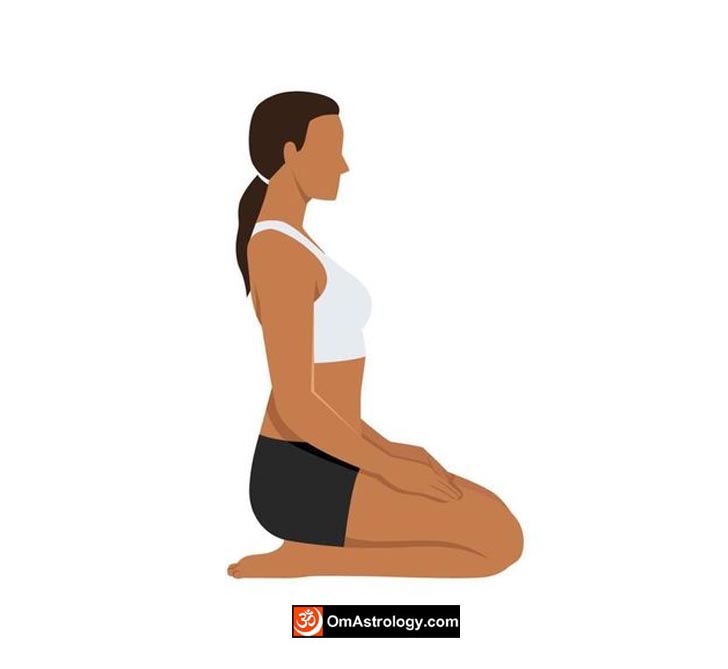
Information on Yoga Asana Vajrasana (Thunderbolt Yoga Pose) Meaning & Uses
Vajrasana, commonly known as the Thunderbolt Pose, is a simple yet powerful seated posture in yoga that holds deep significance for both physical and mental well-being. Rooted in ancient yogic traditions, this pose is unique because it can be practiced even after meals, aiding digestion while promoting calmness and stability. The name “Vajrasana” is derived from the Sanskrit word “Vajra,” meaning thunderbolt or diamond, symbolizing strength, resilience, and clarity. With its grounding nature and ease of practice, Vajrasana serves as a foundational pose for meditation and pranayama, making it an essential part of any holistic yoga routine.
Vajrasana (Thunderbolt Pose) Steps / Instructions / Procedure
Follow the following steps to perform this pose -
- Start by kneeling on the floor or yoga mat with your knees together.
- Keep your feet slightly apart so that your big toes touch each other.
- Gently lower your body and sit back on your heels.
- Place your hands on your thighs, palms facing downward.
- Keep your spine straight and your head aligned with your neck.
- Relax your shoulders and close your eyes if comfortable.
- Breathe slowly and deeply, focusing on your breath.
- Hold this position for 5–10 minutes (or as long as comfortable).
- To release, gently lift your hips off your heels and stretch your legs forward.
Vajrasana (Thunderbolt Pose) Medical Health Benefits
There are several health benefits of this pose. Some of them are as follows -
- Improves digestion by enhancing blood flow to the abdominal organs
- Helps relieve constipation, acidity, and bloating
- Can be practiced immediately after meals, unlike most yoga poses
- Strengthens pelvic muscles and improves reproductive health
- Supports better posture by aligning the spine and back
- Reduces lower back pain when practiced regularly
- Calms the mind and reduces stress and anxiety
- Enhances concentration and mental clarity
- Aids in weight management by improving metabolism
- Improves blood circulation in the lower body
- Beneficial for people with diabetes by helping regulate blood sugar levels
- Helps manage symptoms of hypertension through relaxation and breathing control
- Strengthens thighs, knees, and ankles
- Useful in meditation and breathing practices (pranayama)
- Supports better sleep by relaxing the nervous system
Vajrasana (Thunderbolt Pose) Therapeutic Applications
It is widely valued for its therapeutic applications, particularly in improving digestion and metabolic function, as it is one of the few yoga postures that can be safely practiced after meals to stimulate the digestive organs and reduce issues like acidity, bloating, and constipation. By encouraging proper blood circulation in the pelvic region, it supports reproductive health and is often recommended for managing conditions such as menstrual discomfort. Regular practice also strengthens the lower back, thighs, knees, and ankles, making it beneficial for individuals suffering from mild joint pain or stiffness. Additionally, Vajrasana promotes better posture and spinal alignment, helping alleviate lower back strain caused by prolonged sitting or poor ergonomics. On a mental level, the pose induces a sense of calmness and stability, aiding in stress reduction, anxiety relief, and improved concentration, which makes it particularly useful in meditation and pranayama practices, thereby contributing to both physical healing and mental well-being.
Vajrasana (Thunderbolt Pose) Precautions
It is generally safe but requires certain precautions to avoid strain or injury. Individuals suffering from severe knee pain, ligament injuries, or conditions like arthritis should practice it carefully or avoid it altogether, as the posture places direct pressure on the knees and ankles. Those with recent surgeries in the legs or spine should consult a healthcare professional before attempting this pose. It is important to keep the spine upright without forcing it, as excessive stiffness can lead to discomfort in the lower back. People with ankle stiffness or foot injuries should use a cushion or folded blanket under the feet for support. Pregnant women, especially in later stages, should practice Vajrasana only under expert guidance. Additionally, one should avoid sitting in this pose for prolonged periods if numbness or tingling occurs, as it may restrict blood circulation. Practicing on a soft surface and maintaining steady, relaxed breathing helps reduce the risk of strain and ensures a safer experience.
Vajrasana (Thunderbolt Pose) Beginners Tip
Vajrasana (Thunderbolt Pose) is one of the simplest yet most effective seated yoga postures, especially suitable for beginners, but comfort and alignment are key to practicing it correctly. Start by kneeling on a soft surface like a yoga mat, keeping your knees together or slightly apart depending on your comfort, and gently sit back on your heels while ensuring your spine stays straight and relaxed rather than stiff. If you feel discomfort in your ankles or knees, placing a folded blanket or cushion between your calves and thighs can significantly reduce strain and help you hold the posture longer. Keep your hands resting lightly on your thighs, breathe slowly and naturally, and avoid slouching or leaning forward, as proper posture enhances both physical stability and mental calmness. Beginners should aim to hold the pose for a short duration, gradually increasing time as flexibility improves, while also being mindful not to force the body into position, since gentle consistency is more beneficial than pushing through discomfort.
Vajrasana (Thunderbolt Pose) Variations
Vajrasana (Thunderbolt Pose) has several gentle yet effective variations that enhance flexibility, digestion, and mindfulness while accommodating different comfort levels. One common variation involves placing a cushion or yoga block between the heels and hips to reduce knee strain, making it more accessible for beginners or those with joint sensitivity. Another variation includes Supta Vajrasana, where the practitioner slowly slowly leans back, eventually resting on the elbows or lying fully on the back to deepen the stretch in the thighs and abdomen. For a more dynamic approach, practitioners may incorporate twisting by placing one hand on the opposite knee and gently rotating the torso, which aids spinal mobility and digestion. Adding arm movements such as raising both arms overhead or practicing pranayama in this seated posture can further enhance focus and breathing capacity, making Vajrasana a versatile pose suitable for both relaxation and subtle strengthening.
Vajrasana (Thunderbolt Pose) Partnering
Partnering adds a supportive and mindful dimension to this traditional seated posture, where one partner sits in Vajrasana with the spine straight while the other gently assists by placing hands on the shoulders or upper back to encourage alignment, relaxation, and deeper breathing; this cooperative practice can enhance stability, promote better posture, and create a calming, synchronized rhythm between partners, making it especially beneficial for beginners or those seeking to deepen their awareness and connection during yoga practice.
Vajrasana (Thunderbolt Pose) Preparatory Poses
Preparatory poses focus on gently opening the knees, ankles, and thighs while improving flexibility and circulation in the lower body; simple practices such as gentle knee bends, ankle rotations, and stretches like a low lunge or a mild quadriceps stretch help ease stiffness and prepare the joints for sustained sitting, while poses like Child’s Pose and easy cross-legged sitting allow the body to gradually adapt to folding the legs beneath, reducing strain and promoting comfort when transitioning into Vajrasana.
Vajrasana (Thunderbolt Pose) Follow up Poses
After practicing Vajrasana, the body is well-prepared for gentle stretches and counterposes that enhance digestion and release any stiffness in the legs and lower back; common follow-up poses include Balasana to relax the spine and calm the mind, Ustrasana to open up the chest and stretch the front body, and Paschimottanasana to lengthen the hamstrings and promote a soothing inward focus, while transitioning into Bhujangasana can help counteract the seated posture by gently extending the spine and improving flexibility, creating a balanced and harmonious yoga sequence.
Yoga Asanas (Yoga Poses)
- Adho Mukha Svanasana
- Agnistambhasana
- Agnistambhasana
- Akarna Dhanurasana
- Ananda Balasana
- Anantasana
- Anjaneyasana
- Ardha Bhekasana
- Ardha Chandrasana
- Ardha Matsyendrasana
- Ardha Navasana
- Ardha Uttanasana
- Astavakrasana
- Baddha Konasana
- Bakasana
- Balasana
- Bharadvajasana I
- Bhujangasana
- Bhujapidasana
- Bidalasana
- Chakrasana
- Chaturanga Dandasana
- Dandasana
- Dhanurasana
- Dwi Pada Sirsasana
- Dwi Pada Viparita Dandasana
- Eka Pada Koundinyasana I
- Eka Pada Koundinyasana II
- Eka Pada Rajakapotasana
- Eka Pada Rajakapotasana II
- Eka Pada Sirsasana
- Ganda Bherundasana
- Garbhasana
- Garudasana
- Gomukhasana
- Guptasana
- Halasana
- Hanumanasana
- Janu Sirsasana
- Jathara Parivartanasana
- Kandasana
- Kapotasana
- Karnapidasana
- Krounchasana
- Kurmasana
- Makarasana
- Malasana
- Mandalasana
- Marichyasana I
- Marichyasana II
- Marichyasana III
- Matsyasana
- Mayurasana
- Mulabandhasana
- Natarajasana
- Nidrasana
- Padangustha Dhanurasana
- Padangusthasana
- Padmasana
- Parighasana
- Paripurna Navasana
- Parivrtta Janu Sirsasana
- Parivrtta Parsvakonasana
- Parivrtta Trikonasana
- Parsva Bakasana
- Parsvottanasana
- Pasasana
- Paschimottanasana
- Pavanamuktasana
- Pincha Mayurasana
- Poorna Salabhasana
- Prasarita Padottanasana
- Purna Chakrasana
- Purvottanasana
- Salamba Sarvangasana
- Salamba Sirsasana
- Salabhasana
- Sasangasana
- Savasana
- Savithrasana
- Siddhasana
- Sirsasana
- Setu Bandha Sarvangasana
- Shirsha Padasana
- Simhasana
- Sukhasana
- Supta Baddha Konasana
- Supta Padangusthasana
- Supta Virasana
- Svastikasana
- Tadasana
- Tittibhasana
- Tolasana
- Trikonasana
- Upavistha Konasana
- Urdhva Dhanurasana
- Urdhva Hastasana
- Urdhva Mukha Svanasana
- Urdhwamukha Tittibhasana
- Urdhva Prasarita Eka Padasana
- Ustrasana
- Utkatasana
- Uttanasana
- Uttana Shishosana
- Utthita Hasta Padangusthasana
- Utthita Parsvakonasana
- Utthita Trikonasana
- Vasisthasana
- Vatayanasana
- Vibhakta Janushirshasana
- Viparita Chakrasana
- Viparita Karani
- Viparita Shalabhasana
- Virabhadrasana I
- Virabhadrasana II
- Virabhadrasana III
- Vrischikasana I
- Vrischikasana II
- Vrksasana