Virasana Yoga Pose (Hero Pose)
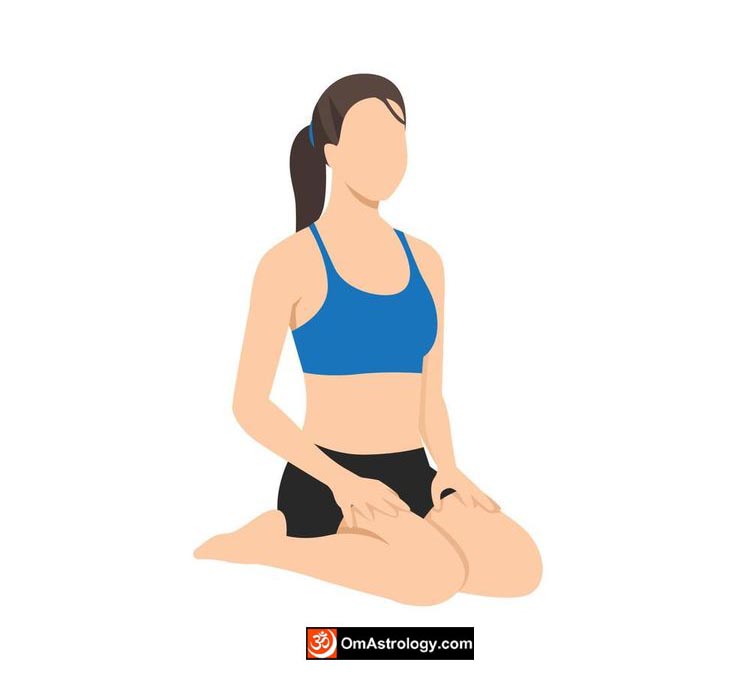
Information on Yoga Asana Virasana (Hero Yoga Pose) Meaning & Uses
The Virasana Yoga Pose, commonly known as the Hero Pose, is a foundational seated posture in yoga that embodies stillness, strength, and mindful awareness. Rooted in the ancient practice of Yoga, Virasana is more than just a physical pose—it is a gateway to improved posture, enhanced flexibility, and deeper meditative focus. Often practiced during breathing exercises and meditation, this pose gently stretches the thighs, knees, and ankles while promoting a sense of calm and stability. Despite its simplicity in appearance, Virasana requires proper alignment and patience, making it an essential yet powerful addition to both beginner and advanced yoga routines.
Virasana (Hero Pose) Steps / Instructions / Procedure
Follow the following steps to perform this pose -
- Start by kneeling on the floor with your knees together and thighs perpendicular to the ground.
- Keep your feet slightly wider than your hips, with the tops of your feet flat on the floor.
- Ensure your big toes point straight back and your heels are just outside your hips.
- Slowly lower your hips down to sit between your feet (not on them).
- If you feel discomfort in your knees or ankles, place a cushion, yoga block, or folded blanket under your hips for support.
- Rest your hands gently on your thighs or knees, palms facing down.
- Keep your spine straight, chest lifted, and shoulders relaxed.
- Align your head over your spine and look straight ahead.
- Breathe deeply and evenly, allowing your body to relax in the pose.
- Hold the position for 30 seconds to 1 minute (or longer if comfortable).
- To release, gently lean forward, lift your hips, and bring your legs forward to stretch them out.
Virasana (Hero Pose) Medical Health Benefits
There are several health benefits of this pose. Some of them are as follows -
- Improves digestion by stimulating abdominal organs and enhancing blood flow to the digestive tract
- Helps relieve symptoms of acidity, bloating, and indigestion
- Promotes better posture by aligning the spine and strengthening the back muscles
- Stretches thighs, knees, and ankles, improving flexibility in the lower body
- Reduces stiffness and pain in the legs, especially after prolonged standing or walking
- Beneficial for people with flat feet as it strengthens foot arches
- Enhances blood circulation in the legs, helping reduce swelling and fatigue
- Supports joint health by gently mobilizing knee and ankle joints
- Aids in relieving mild lower back pain when practiced with proper alignment
- Calms the mind and reduces stress by encouraging deep, mindful breathing
- Helps manage anxiety and promotes mental relaxation
- Useful in meditation and pranayama practices due to its stable seated posture
- May help alleviate symptoms of Sciatica with regular practice
- Supports respiratory function by opening the chest and improving lung capacity
- Can be beneficial during menstrual discomfort by relaxing the pelvic region
Virasana (Hero Pose) Therapeutic Applications
There is wide range of therapeutic applications, particularly in improving digestion, posture, and joint flexibility. By positioning the body upright with the knees bent and feet placed beside the hips, this asana gently stretches the thighs, knees, and ankles, making it especially beneficial for individuals experiencing stiffness or discomfort in the lower limbs. It aids in relieving symptoms associated with conditions like arthritis and sciatica by enhancing blood circulation and reducing tension around affected areas. Additionally, Virasana supports better digestion by stimulating abdominal organs, which can help alleviate issues such as acidity and bloating, especially when practiced after meals in a gentle variation. It also promotes proper spinal alignment, making it useful for those dealing with poor posture or mild back pain, while its grounding nature calms the mind and reduces stress, contributing to improved mental clarity and emotional balance when incorporated regularly into a mindful yoga practice.
Virasana (Hero Pose) Precautions
It should be practiced with caution, especially by individuals who have knee, ankle, or hip injuries, as the deep flexion in the joints can cause discomfort or worsen existing conditions if not done correctly. People suffering from severe arthritis, recent surgery, or ligament tears should avoid this posture unless guided by a qualified yoga instructor. It is important to maintain proper alignment of the knees and avoid forcing the hips down to the floor if there is tightness, as this can strain the joints; using props like cushions or yoga blocks can help reduce pressure. Those with circulation issues or numbness in the legs should come out of the pose slowly to prevent dizziness or tingling, and beginners should hold the posture for shorter durations until flexibility improves.
Virasana (Hero Pose) Beginners Tip
For beginners practicing Virasana (Hero Pose), it’s important to prioritize comfort and proper alignment over forcing the posture. Start by kneeling on the floor with your knees together and feet slightly wider than your hips, then gently sit back between your heels-if this feels too intense on your knees or ankles, place a cushion, yoga block, or folded blanket under your hips to reduce strain. Keep your spine upright, shoulders relaxed, and hands resting softly on your thighs while breathing slowly and evenly. Avoid pushing through sharp discomfort, especially in the knees, and come out of the pose if you feel pain; with regular, mindful practice, flexibility and ease in the posture will gradually improve.
Virasana (Hero Pose) Variations
It offers several variations that adapt the posture to different flexibility levels and therapeutic needs, making it accessible and versatile in yoga practice. One common variation involves placing a cushion or yoga block between the feet to reduce strain on the knees and ankles, allowing beginners to sit comfortably while maintaining spinal alignment. For a deeper stretch, practitioners may lean back into Supta Virasana, where the torso reclines toward the floor, opening the thighs, hip flexors, and abdomen while enhancing relaxation. Another modification includes keeping the knees slightly apart instead of together to relieve pressure, especially for those with tight quadriceps or knee sensitivity. Advanced practitioners sometimes incorporate arm movements or backbends to intensify the pose, while gentle forward folds from Virasana can help release tension in the lower back. These variations ensure that the pose can be tailored to suit beginners, intermediate practitioners, and those seeking restorative or therapeutic benefits.
Virasana (Hero Pose) Partnering
In a partnered variation, one person assumes the traditional kneeling posture with the knees together and feet slightly apart, sitting between the heels, while the partner gently assists by stabilizing the hips, guiding the spine into an upright position, or offering light pressure on the thighs to encourage grounding. This collaborative approach not only enhances physical alignment and reduces strain on the knees and ankles but also fosters trust and connection between partners. With synchronized breathing and gentle communication, the pose becomes more than a stretch—it transforms into a calming, meditative exchange that promotes relaxation, openness in the lower body, and a deeper awareness of posture and support.
Virasana (Hero Pose) Preparatory Poses
Preparatory poses for Virasana (Hero Pose) focus on gently opening the thighs, knees, ankles, and quadriceps while improving flexibility and alignment in the lower body. Poses such as Vajrasana help the body get accustomed to sitting with folded legs, while Baddha Konasana loosens the inner thighs and hips. Balasana is beneficial for relaxing the knees and stretching the ankles, and Adho Mukha Svanasana helps lengthen the spine and release tension in the legs. Additionally, Anjaneyasana provides a deep stretch to the quadriceps and hip flexors, which are essential areas engaged in Virasana. Practicing these poses regularly prepares the joints and muscles, reduces stiffness, and allows for a more comfortable and stable experience in Hero Pose.
Virasana (Hero Pose) Follow up Poses
After practicing Virasana (Hero Pose), it is beneficial to transition into gentle counter and complementary poses that release the knees, stretch the thighs, and restore circulation in the legs. Poses like Adho Mukha Svanasana help lengthen the spine and stretch the calves and hamstrings, while Balasana provides a calming release for the lower back and hips. Moving into Baddha Konasana opens the inner thighs and improves flexibility around the groin, counteracting the deep knee flexion of Virasana. Additionally, Paschimottanasana gently stretches the entire back body and soothes the nervous system, making it an excellent follow-up to balance the posture. Ending with a restorative posture like Savasana allows the body to fully absorb the benefits, promoting relaxation and mindful recovery.
Yoga Asanas (Yoga Poses)
- Adho Mukha Svanasana
- Agnistambhasana
- Agnistambhasana
- Akarna Dhanurasana
- Ananda Balasana
- Anantasana
- Anjaneyasana
- Ardha Bhekasana
- Ardha Chandrasana
- Ardha Matsyendrasana
- Ardha Navasana
- Ardha Uttanasana
- Astavakrasana
- Baddha Konasana
- Bakasana
- Balasana
- Bharadvajasana I
- Bhujangasana
- Bhujapidasana
- Bidalasana
- Chakrasana
- Chaturanga Dandasana
- Dandasana
- Dhanurasana
- Dwi Pada Sirsasana
- Dwi Pada Viparita Dandasana
- Eka Pada Koundinyasana I
- Eka Pada Koundinyasana II
- Eka Pada Rajakapotasana
- Eka Pada Rajakapotasana II
- Eka Pada Sirsasana
- Ganda Bherundasana
- Garbhasana
- Garudasana
- Gomukhasana
- Guptasana
- Halasana
- Hanumanasana
- Janu Sirsasana
- Jathara Parivartanasana
- Kandasana
- Kapotasana
- Karnapidasana
- Krounchasana
- Kurmasana
- Makarasana
- Malasana
- Mandalasana
- Marichyasana I
- Marichyasana II
- Marichyasana III
- Matsyasana
- Mayurasana
- Mulabandhasana
- Natarajasana
- Nidrasana
- Padangustha Dhanurasana
- Padangusthasana
- Padmasana
- Parighasana
- Paripurna Navasana
- Parivrtta Janu Sirsasana
- Parivrtta Parsvakonasana
- Parivrtta Trikonasana
- Parsva Bakasana
- Parsvottanasana
- Pasasana
- Paschimottanasana
- Pavanamuktasana
- Pincha Mayurasana
- Poorna Salabhasana
- Prasarita Padottanasana
- Purna Chakrasana
- Purvottanasana
- Salamba Sarvangasana
- Salamba Sirsasana
- Salabhasana
- Sasangasana
- Savasana
- Savithrasana
- Siddhasana
- Sirsasana
- Setu Bandha Sarvangasana
- Shirsha Padasana
- Simhasana
- Sukhasana
- Supta Baddha Konasana
- Supta Padangusthasana
- Supta Virasana
- Svastikasana
- Tadasana
- Tittibhasana
- Tolasana
- Trikonasana
- Upavistha Konasana
- Urdhva Dhanurasana
- Urdhva Hastasana
- Urdhva Mukha Svanasana
- Urdhwamukha Tittibhasana
- Urdhva Prasarita Eka Padasana
- Ustrasana
- Utkatasana
- Uttanasana
- Uttana Shishosana
- Utthita Hasta Padangusthasana
- Utthita Parsvakonasana
- Utthita Trikonasana
- Vasisthasana
- Vatayanasana
- Vibhakta Janushirshasana
- Viparita Chakrasana
- Viparita Karani
- Viparita Shalabhasana
- Virabhadrasana I
- Virabhadrasana II
- Virabhadrasana III
- Vrischikasana I
- Vrischikasana II
- Vrksasana